Chaire TwinHy

Digital twin in hydroelectric generation and related problems

Development of scientific methodologies to improve the operation of hydroelectric facilities, using the digital twin as an aid to monitoring and controlling these facilities.

TwinHy - logo couleur

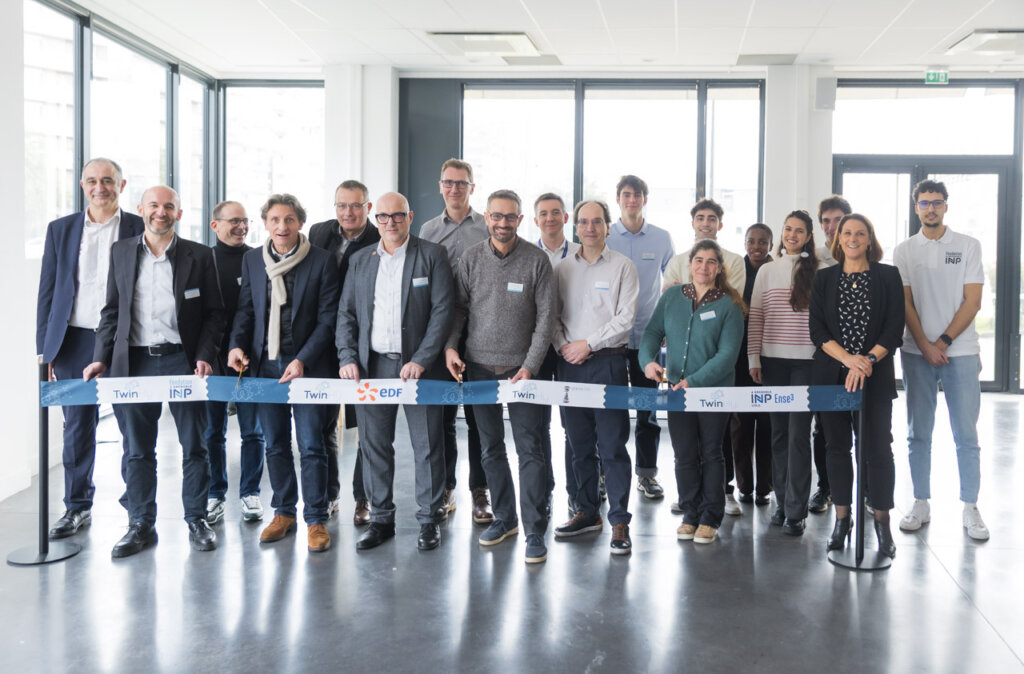
The aim of the TwinHy Chair is to conduct research into the challenges posed by the digital twin in hydroelectric production. At the same time, it aims to provide training and education related to this expertise. The major scientific challenge underpinning this Chair is the development of scientific methodologies that take into account measurements, feedback, experimental results and modeling (physical and numerical) to meet the challenges of operating hydroelectric facilities.

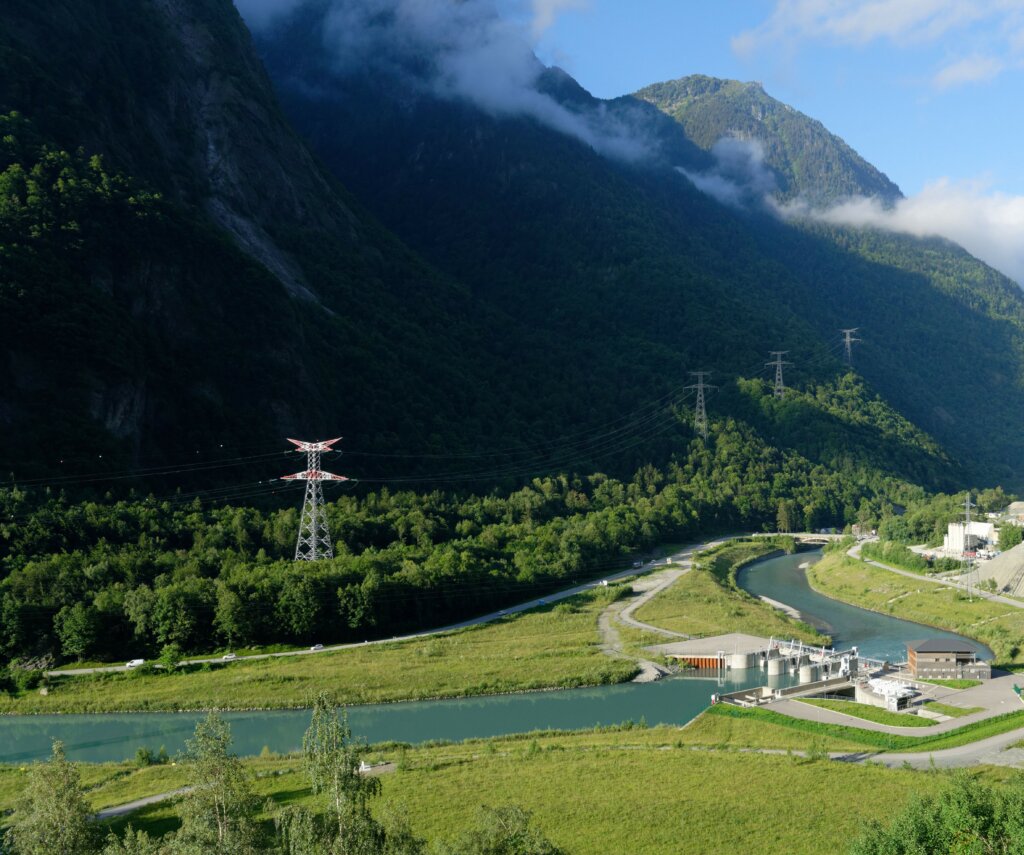
In an industrial and societal context where EDF Hydro is in charge of producing electrical energy from hydraulic resources, the TwinHy Chair aims to develop knowledge, methods and tools to improve the monitoring of various hydroelectric facilities and optimize their control and risk management. This is done with a view to adaptation, improvement and innovation, taking into account research challenges in the modeling and estimation tools to be used.

In terms of methodology, the TwinHy Chair focuses on the development and exploitation of digital twins. Digital twins are virtual clones of physical systems or processes, evolving synchronously with their real-life counterparts. A digital twin thus assumes the existence of a digital model coupled to the object it reproduces, fed continuously with real data from sensors. This approach enables advanced monitoring and control of equipment, providing a virtual replica in real time and facilitating anomaly detection, optimization of control strategies and prediction of potential degradation.

This chair is supported by the Grenoble INP Foundation thanks to the backing of several EDF Hydro entities: DSID, CIH and DTG, as well as EDF R&D.

Photo credits
Christophe Huret
Pierre Jayet

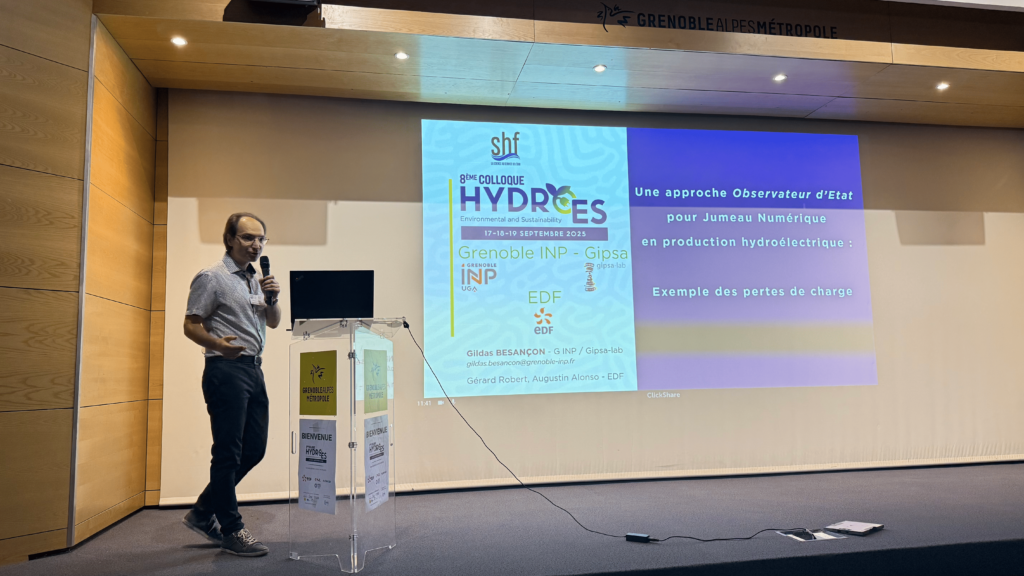
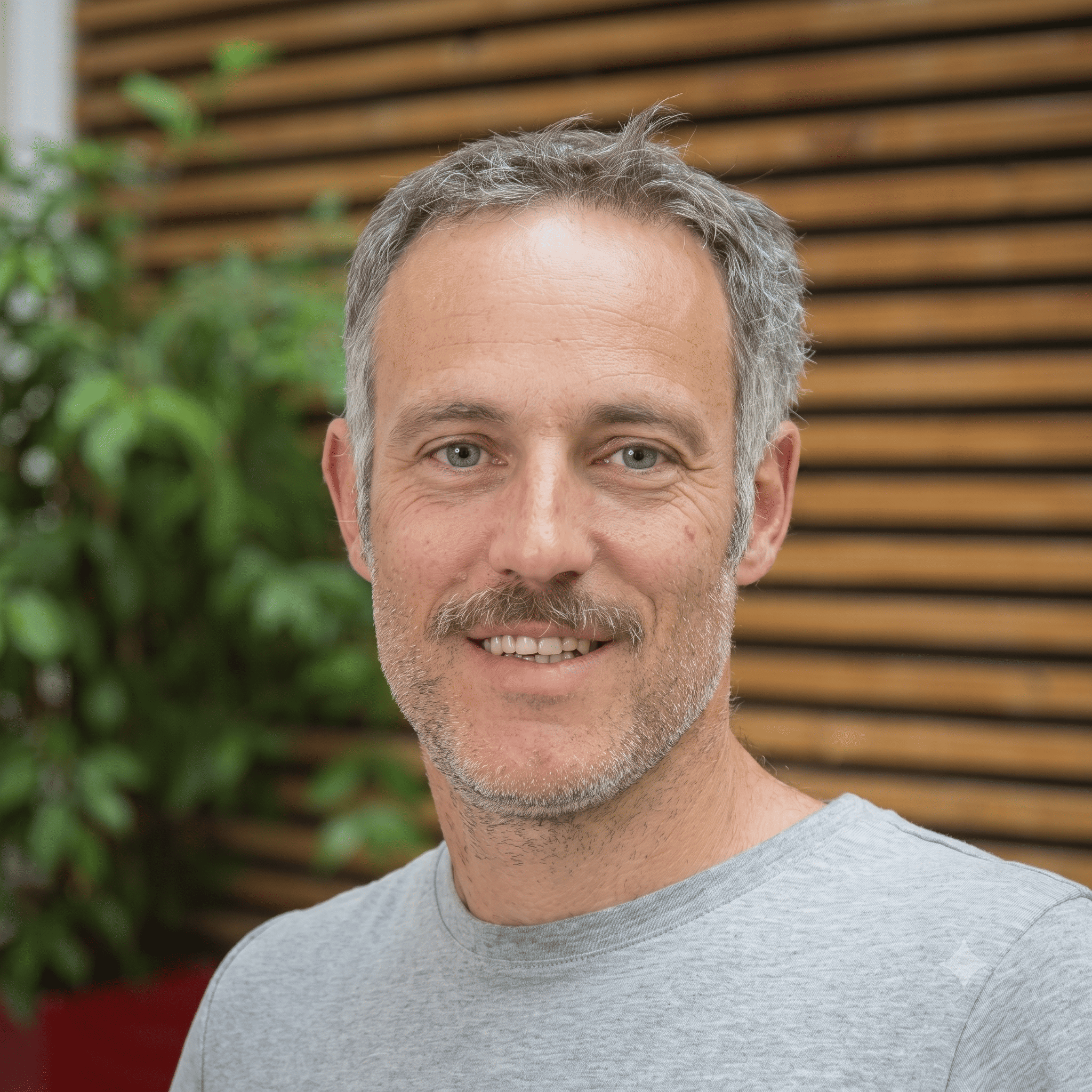
The TwinHy Chair is part of a long-standing collaboration with EDF Hydro, which has already highlighted the benefits to be gained from such a partnership, both in the field of hydroelectric power generation and in terms of the methodological advances that can result from it on a scientific level. By exploiting the concept of digital twins more specifically in this context, the Chair is strengthening the prospects for more effective tools both for monitoring facilities, particularly in terms of detecting and locating anomalies, and for operating them, typically through their control systems. As a researcher in automation, I am delighted to contribute to bringing this “hidden technology”, as it has been described, into synergy with the challenges addressed by this Chair.
Gildas Besançon

Gildas Besançon

Holder of the TwinHy Chair, professor at Grenoble INP - Ense³, UGA, and researcher at the GIPSA-lab laboratory
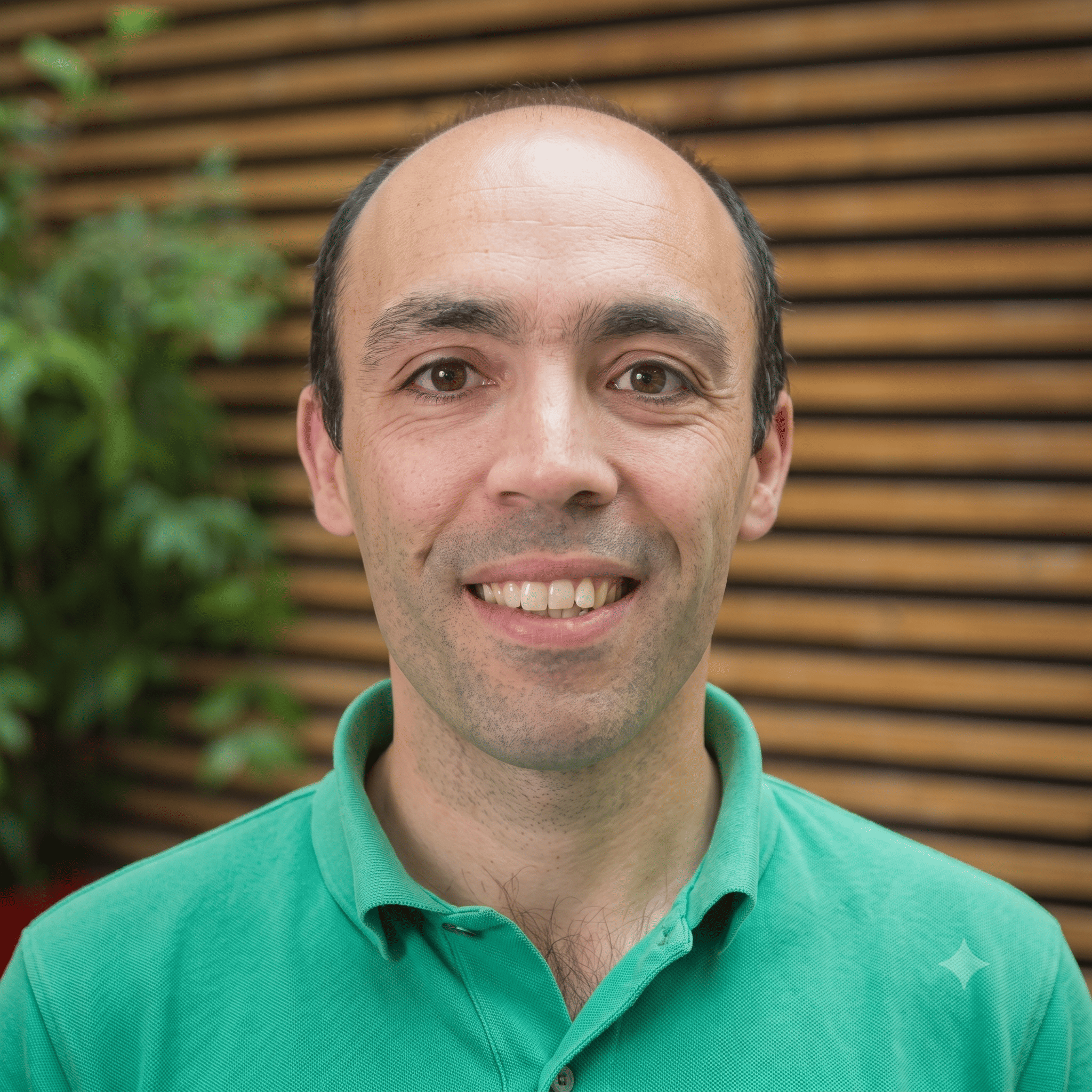
"The resources invested by EDF Hydro in the TwinHy research chair should enable improvements in the operation and maintenance of components and systems in EDF's hydroelectric power plants. To this end, three studies covering three distinct technical fields (mechanical engineering, electrical engineering and civil engineering) are now underway. A better understanding of the operation and evolution, including predictive, of the condition of production equipment, via their digital twins, will help operators to improve performance and peace of mind. The maintenance sector will also benefit from these advances through better scheduling of the right work to be carried out, based on actual needs rather than preventive planning as organised today."

Stéphane Guichet & Pierre Maruzewski

Chair of the COPIL Steering Committee & Chair of the TwinHy Chair Scientific Committee | EDF HYDRO - Industrial Strategy and Development Department

Our missions

  • Conduct research into the construction and use of digital twins, considering the context of hydroelectric power generation
  • Develop scientific methodologies to meet the challenges of operating hydroelectric facilities
  • Contribute to improving the monitoring and control of hydroelectric facilities
  • Provide training related to this expertise

The Chair's founding partners and sponsors

Research and training areas

The Chair's activities are organized around methodological developments on digital twins and case studies in the operation of hydroelectric facilities:

  • Dynamic modeling approaches for digital twinning
  • Data management and processing for model development and calibration
  • Implemented to monitor and optimize equipment operation
  • Use and optimization of the digital twin in the context of hydroelectric generation

Research team

Laboratories, schools and associated structures

Our projects

OUR PUBLICATIONS / REFERENCE WORKS