' Industry 4.h Chair

Improving the human place in the future industry

Respond to the human and managerial issues generated by the transition to the sustainable industry of the future, at the service of society.

Many industrial companies have already digitized their factories, albeit to varying degrees. The consequences are far-reaching in terms of work transformation, changes in skills requirements, team management and man-machine coupling. While there are many general initiatives to support Industry 4.0 in general, there are very few on the human challenges of this transformation, which are nonetheless major.

In this context, the Industry 4.h Chair, launched in April 2022, aims to respond to the human and managerial issues generated by the transition to the sustainable industry of the future, at the service of society.

The ultimate aim will be to equip the industrial ecosystem with methods and a system for updating skills, based on research and school-industry collaboration, enabling the design of sustainable Industry 4.0 organizations and training curricula.

The originality of the Industry 4.h Chair is to combine the perspective of industrial engineering with that of management science: to understand and support the performance of the industrial process, particularly through technology and its interfaces with people, by drawing on the involvement and skills of employees and managers to contribute to overall performance.


Our missions

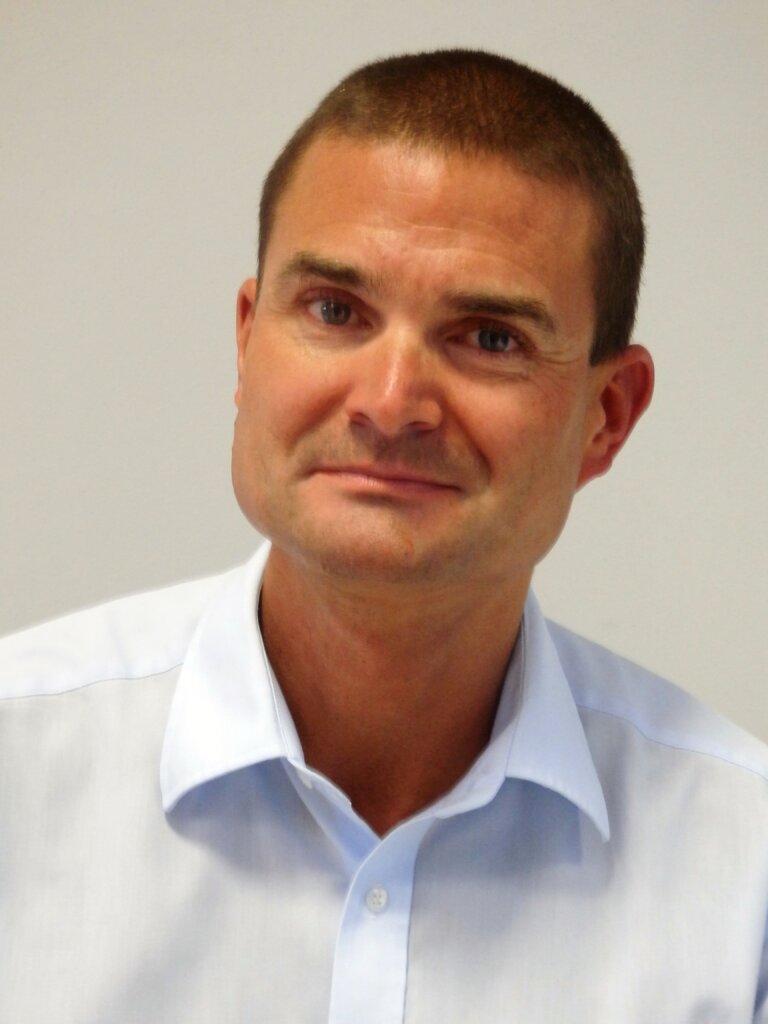
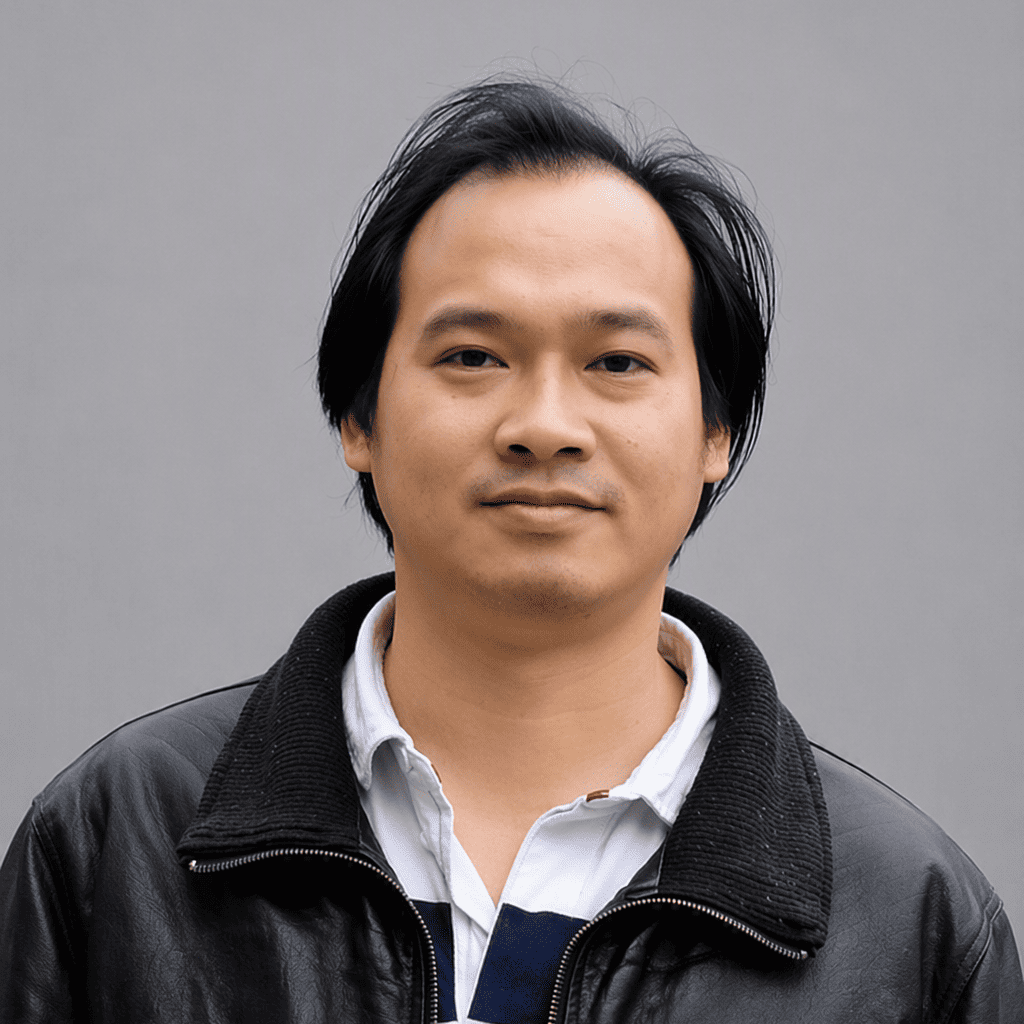
“Companies have extensively digitized their factories, leading to significant changes in the nature of work, the skills required, team management, and human-machine interaction. While many initiatives support Industry 4.0 on a broad scale, the human challenges remain insufficiently addressed, even though they are critical. “Through the Industry 4.h Chair, we will contribute to the design of the factories of tomorrow.”

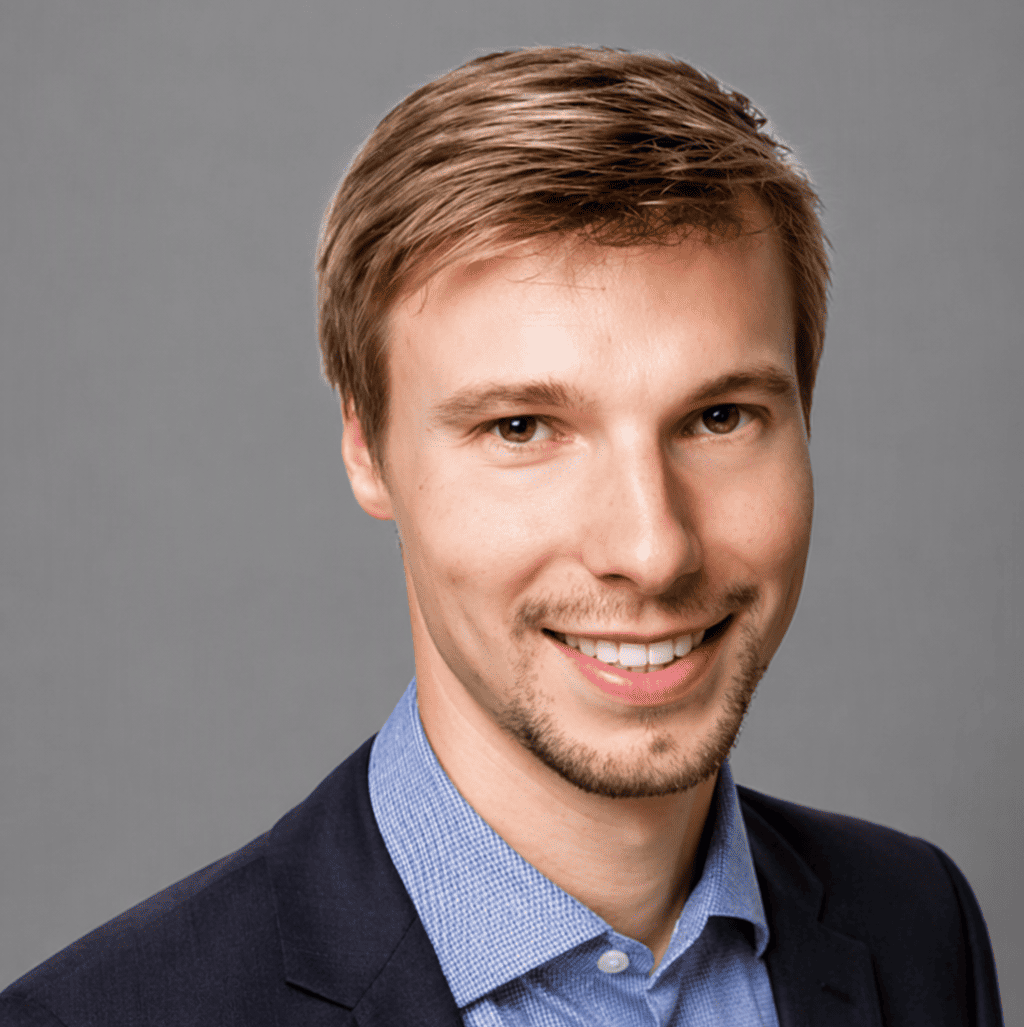
Andreas Riel

Chairholder and Professor of Industrial Engineering and Innovation at Grenoble INP Industrial Engineering
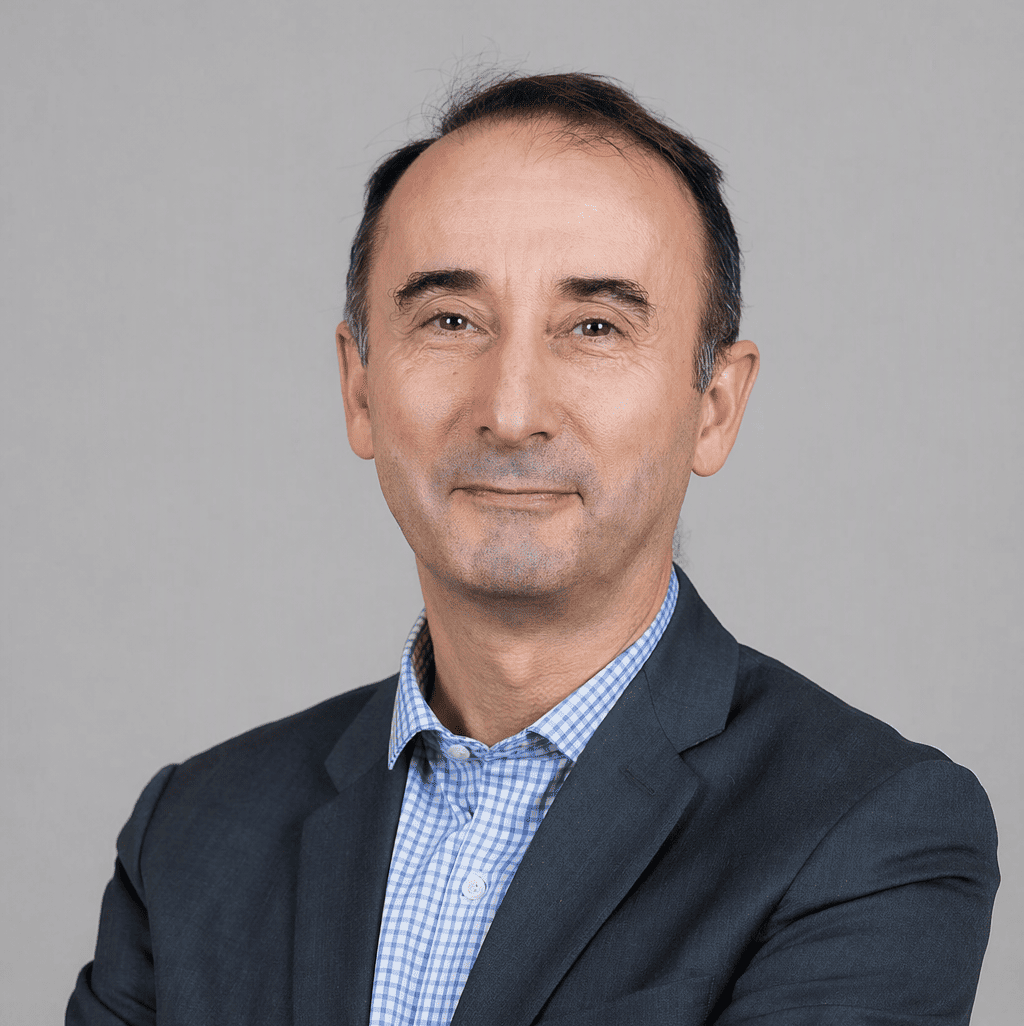
"Industry 4.0 is a global transformation that requires not "siloed" expertise, but crossed views on the evolution of work and organization. The Industry 4.h Chair is precisely this space that will enable us to cross viewpoints and analyses: industrial engineering, human resources management, shop floor management, performance management, etc."

Christian Defélix

Professor of Human Resources Management at Grenoble IAE-INP, and co-founder of the Chair
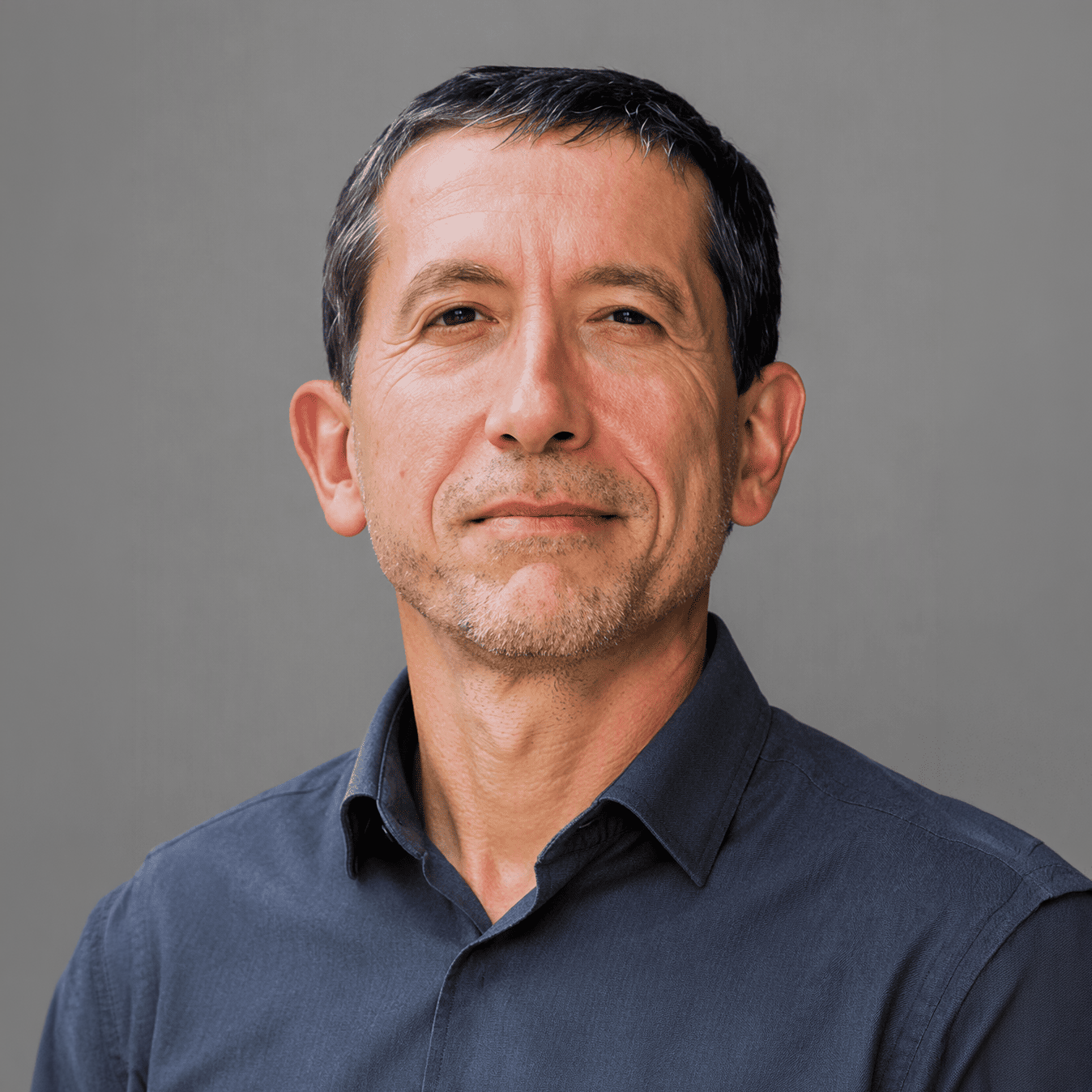
We are facing a time of transition, driven by environmental and societal upheavals. New technologies will only provide a partial response to the industrial renewal needed to rethink production and distribution systems for goods and services. The human dimension remains the key to industrial transformation. It is the aim of the Industry 4.h Chair to study how people can make the best use of technologies to organize and manage industrial resilience.

Pr Frédéric Noël

Director Grenoble INP - Génie industriel, UGA – School of Industrial Engineering and Management
“AI, particularly generative AI, is profoundly transforming the industry by optimizing processes and enhancing human work. But this rapid evolution poses major challenges: people must be able to adapt to it and find their place within it. AI ethics therefore becomes central to ensuring responsible use that serves people’s needs. It involves both mitigating risks and creating opportunities for upskilling. The key challenge remains building trust by placing human values at the heart of technological transformation.”
Martina Flatscher

Martina Flatscher

AI Strategist at ZF Friedrichshafen AG (Germany)
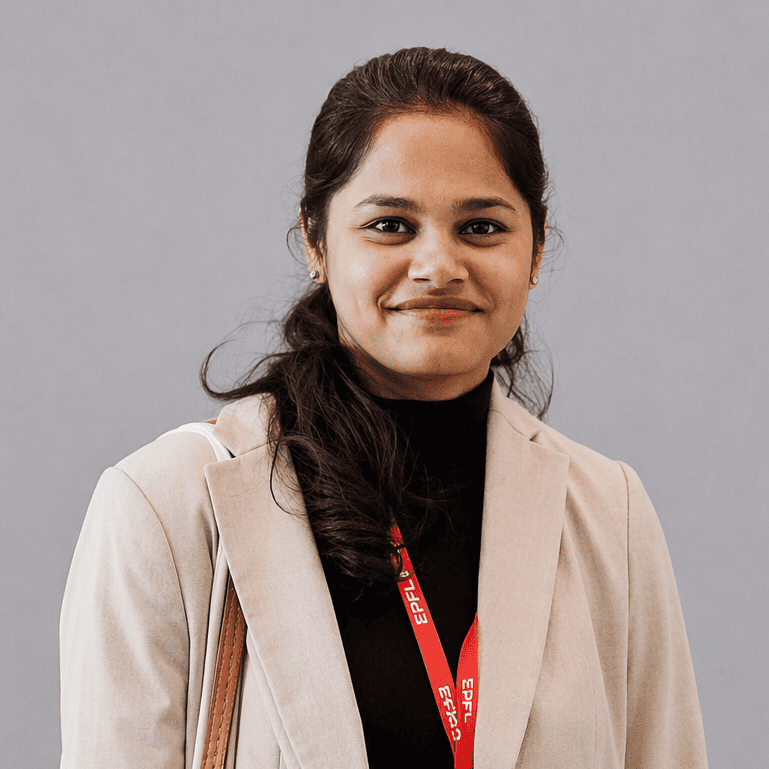
‘Joining the Industry 4.h International Chair is an opportunity for me to act on a fundamental objective: the positive impact on human beings. As an engineer, I always place social and societal issues at the heart of my priorities. The advent of Industry 4.0, while energising the industrial sector, has raised significant human and managerial challenges. Our role as engineers and experts in industrial engineering and management sciences is crucial in identifying and implementing effective support strategies during this transition to the industry of the future. A major part of our mission is to train and integrate into this new industrial paradigm those who are furthest from employment, while adhering to a profoundly ethical approach’.
Ikram Ahidar

Ikram Ahidar

Doctor of Engineering in Industrial Engineering and Chair program manager

La mission principale de cette Chaire est de contribuer à une évolution soutenable des métiers et organisations dans l’industrie du futur, face à la prédominance croissante des nouvelles technologies dans les usines modernes. Faire collaborer l’Homme avec la machine, tout en renforçant les points forts de chacun: la créativité, l’éthique, la flexibilité, l’intelligence, la sensibilité, et l’esprit de collaboration pour l’Homme. La précision, la puissance, la répétabilité, la puissance et l’infatigabilité de la machine. Ses contributions sont principalement dans l’analyse et la compréhension de l’évolution des métiers et organisations industriels. Sur cette base, notre mission est de trouver des démarches pour former un vaste panel des futurs employés potentiels à ces nouveaux métiers, y compris les compétences transverses qui leur sont essentielles. Avec cette contribution, nous rendrons plus accessibles les métiers de l’industrie du futur à ceux qui aujourd’hui ne se sentent pas prêts à les assumer. Pour atteindre nos objectifs et créer un réel impact, construire des partenariats avec des organismes de formation fait partie intégrante de cette mission.

With the introduction of 4.0 technologies in factories,

• Comment préparer la transition vers l’industrie 5.0 pour les PME ?
Industry 4.0 by SMEs in Belgium: perceptions and strategies

• Comment évoluent les métiers ? Quels nouveaux métiers sont créés ?
Se former sur l’industrie 5.0: les nouveaux métiers, les technologies d’industrie 5.0 et leurs cas d’usage par un jeu sérieux

• Comment former le personnel dans une usine à l’utilisation des technologies et concepts d’industrie 5.0 et à l’insertion dans les nouvelles organisations ?
Formations numériques personnalisées en Qualité 4.0 et Maintenance Prédictive
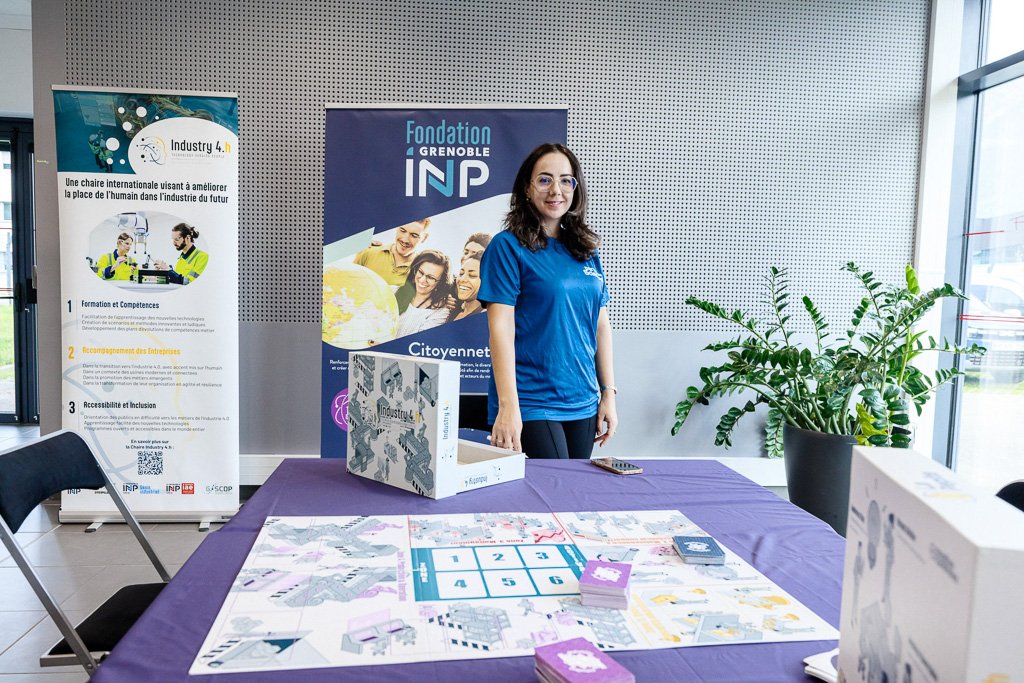
Apprendre les Nouvelles technologies de manière ludique avec le jeu sérieux « Unlocking Industry 4.h »
Circular Factory : un « serious game » dédié à la formation à l’économie circulaire

Un concept de formation à la cybersécurité pour les systèmes de fabrication cyber-physiques dans l’environnement des usines d’enseignement en France
EasyARGuide: Enhancing the digital readiness of medium-sized companies in Germany

• Comment rendre accessibles les postes de l’industrie du futur à un panel vaste de chercheurs d’emploi ?
Integrating vocational training into the challenges of the industry of the future

• Comment augmenter le taux de femmes dans les métiers de l’industrie du futur ?
Promotion des métiers de l’Industrie 4.0 et 5.0 auprès des jeunes femmes

• Comment renforcer l’inclusion et l’accessibilité dans l’industrie du future ?
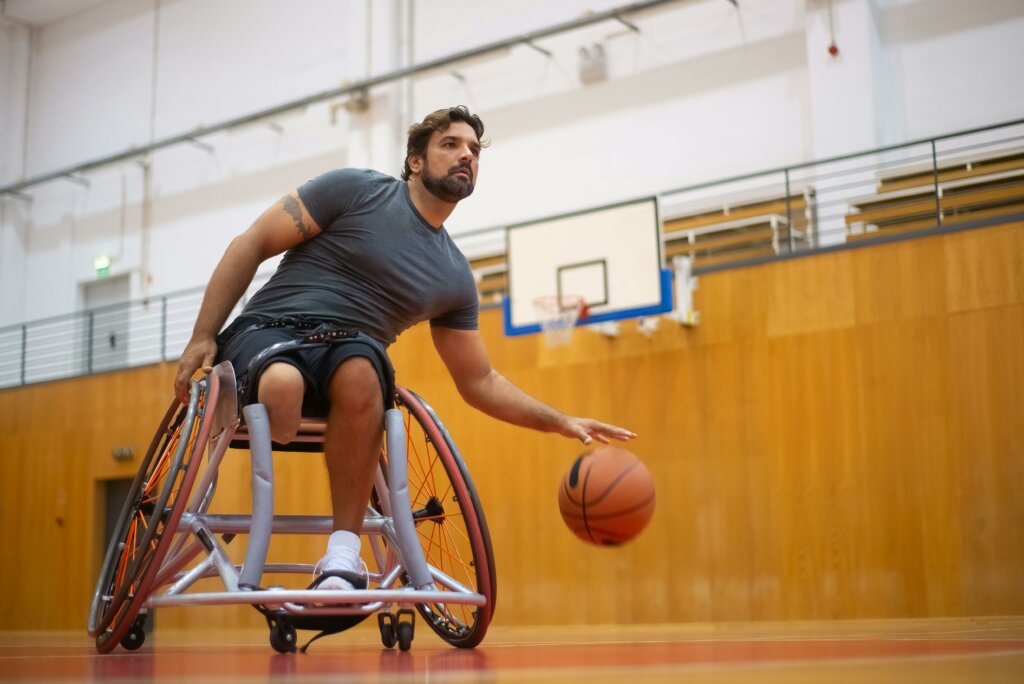
Inclusion of people with disabilities in the Industry of the Future

• Quelles compétences sont d’ores et déjà mobilisées par les opérateurs et les techniciens, et surtout quelles sont celles qui vont être requises dans les prochaines étapes d’automatisation 4.0 ?
Compétences pour l’Industrie 4.0 : un référentiel structuré fondé sur une architecture de référence d’entreprise généralisée et un cadre méthodologique

These are just some of the questions that researchers will be seeking to answer in collaboration with companies. The main lines of research are therefore strongly oriented towards training methods and strategies for the new technologies, professions and organizations of the industry of the future.

Soutenir une action d'entrepreneuriat de transition

A travers le programme MyFondation, les entreprises peuvent s’engager concrètement auprès des étudiants, renforcer l’attractivité économique de leur territoire tout en affirmant leur responsabilité sociale.en finançant des bourses ou des projets associatif d’étudiants.